

Land for Sale Bali: Key Investment Areas Compared
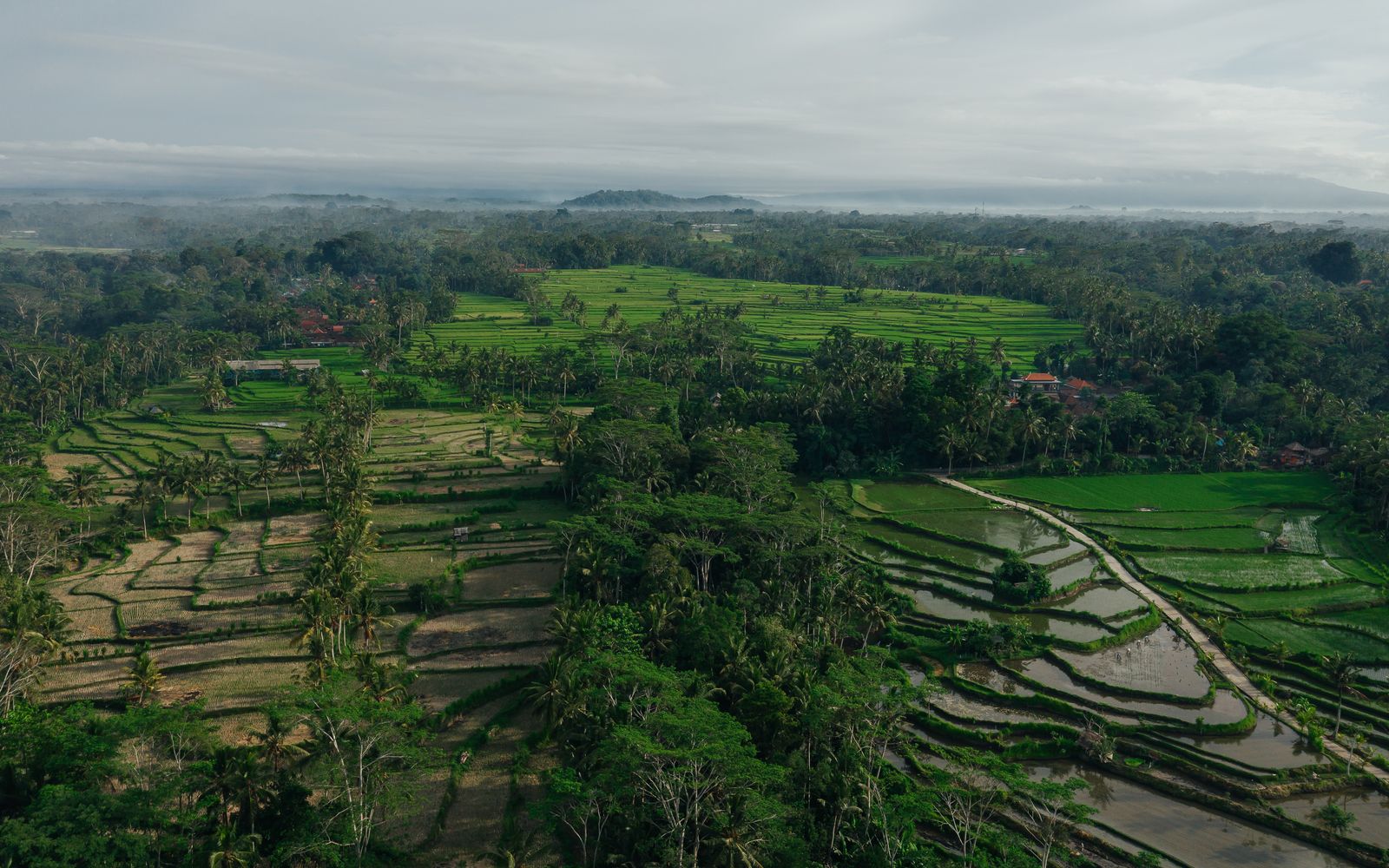
Buying land in Bali requires understanding how location shapes value, regulations and long-term potential. This guide covers the island’s core investment zones, helping you compare areas before committing to a purchase.
Ubud: Cultural heart with zoning limits
Ubud’s land market balances tourism demand with strict building codes. The area attracts buyers seeking proximity to Bali’s cultural centre, though hillside plots often have terrain challenges. Verify zoning classifications, as many areas restrict commercial development or impose height limits. Green belt regulations also apply in parts of Ubud, limiting construction density. For a deeper understanding of Bali’s zoning system, see our Bali land zoning explained guide.
Canggu: Maturing market with infrastructure pressures
Once a surfers’ enclave, Canggu now draws villa developers and hospitality investors. Land prices reflect this demand, though buyers should assess plot accessibility and flood risks. Road upgrades are planned but delayed in some sectors. Review existing land certificates carefully, as inheritance disputes occasionally surface in older family-owned parcels. Our due diligence guide covers verification steps.
Seminyak: Premium urban land with complex ownership
Seminyak offers walkable locations near high-end retail and dining, though available plots are scarce. Many remaining parcels are leasehold through local cooperatives. Foreign buyers typically acquire through leasehold or a PT PMA company holding HGB title. This is general information, not legal or tax advice. Take professional advice on your own situation. For ownership options, see our freehold vs leasehold comparison.
Beachfront: High-value with environmental factors
Beachfront land commands premium pricing but involves additional due diligence. Coastal setback rules vary by regency, and some areas face erosion risks. Saltwater intrusion can also affect building foundations. For commercial projects, verify whether the location permits hospitality use under Bali’s zoning laws. Our locations guide provides area-specific insights.
Market trends and verification
Land pricing follows micro-location factors more than island-wide trends. Recent years show steady demand for smaller, serviced plots in walkable areas. Always conduct independent verification of land status through notaries and the National Land Agency (BPN), regardless of seller claims. For current listings in these areas, see our land inventory.
If you’re new to Bali property, our buyer’s guide explains the acquisition process.
Reading is the easy half.
Tell us your brief and a broker will come back with what actually fits, usually the same day.