
What Bali's green zone means for foreign buyers
Bali’s green zone is agricultural land, and it is the single most common way a land purchase here goes wrong. A foreign buyer cannot build a villa on it, existing structures standing on it are frequently unpermitted, and no ownership structure makes the restriction go away. The zone is decided by a plan, not by what the land looks like, so a parcel with houses either side of it can still be green.
How the zoning system works
Land in Bali is classified by the regional spatial plan, the RTRW, which sets what may be built where. Green designates agricultural use, yellow is residential or mixed, and red is commercial. Each regency publishes its own plan, so Badung, Gianyar, Tabanan and Buleleng do not classify identically, and a rule you learned in Canggu does not transfer to Ubud or the Bukit.
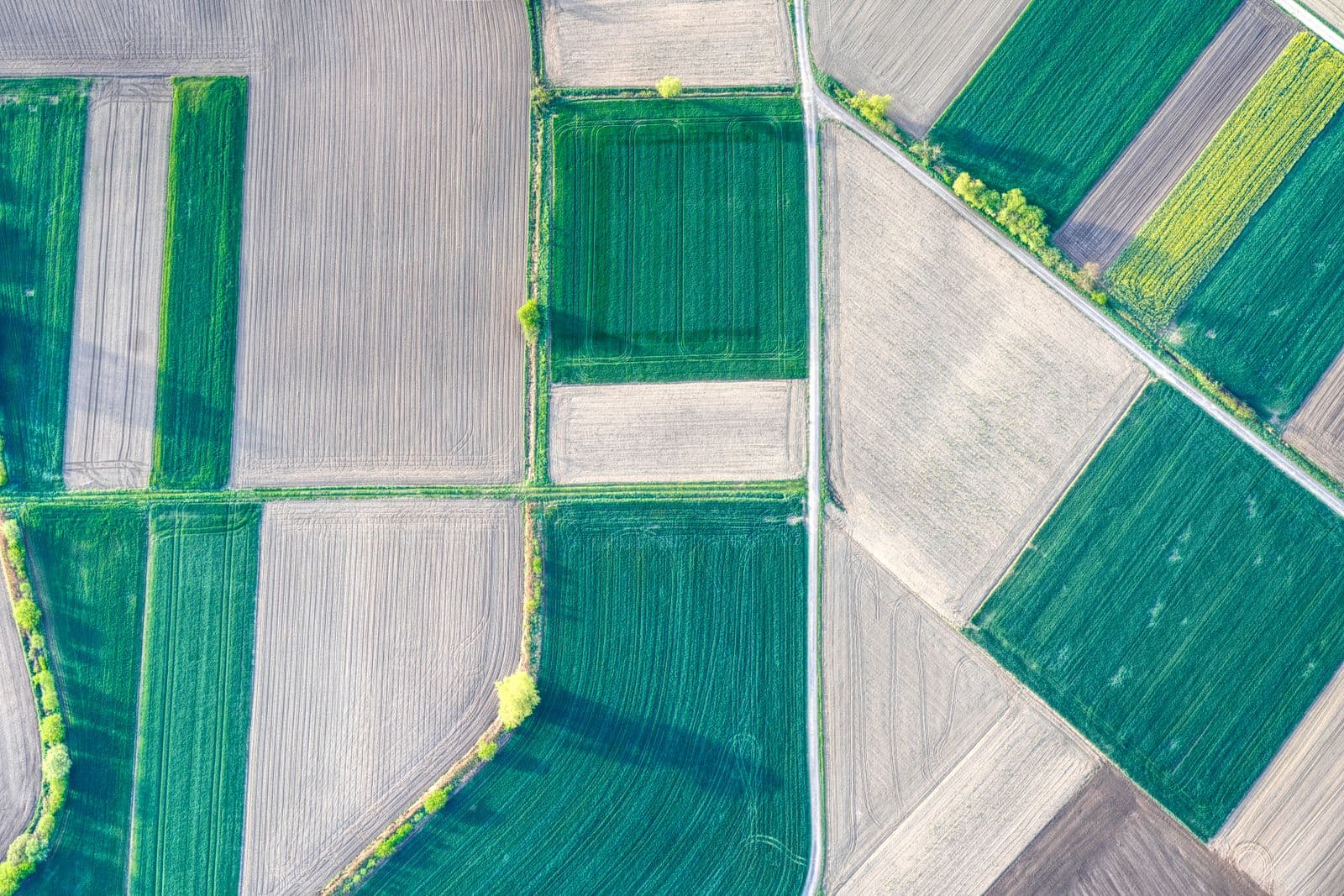
Boundaries sometimes follow visible features such as an irrigation channel or a tree line, and just as often do not. Only the official map held by BPN, the national land agency, settles it. A neighbour’s opinion, a seller’s assurance and a drone photograph are all worth nothing here.
Why it matters practically
Three consequences follow, and each has ended a purchase we have seen.
You cannot build what you came to build. Permitted structures on green land are agricultural: sheds, stores, and buildings serving the farming use. A residence is not among them, whatever the neighbours have done.
Existing buildings are a liability rather than a reassurance. A villa already standing on green land usually lacks a valid IMB, the building permit that the newer PBG regime replaced. Enforcement against unpermitted accommodation has been active, and buying the structure means buying the exposure.
No structure removes the restriction. A PT PMA does not unlock green land. Nor does a lease, nor a nominee arrangement, which is not a form of ownership at all and is the one route we tell buyers to walk away from. See what a PT PMA is for what the company route does and does not do.
What to do instead
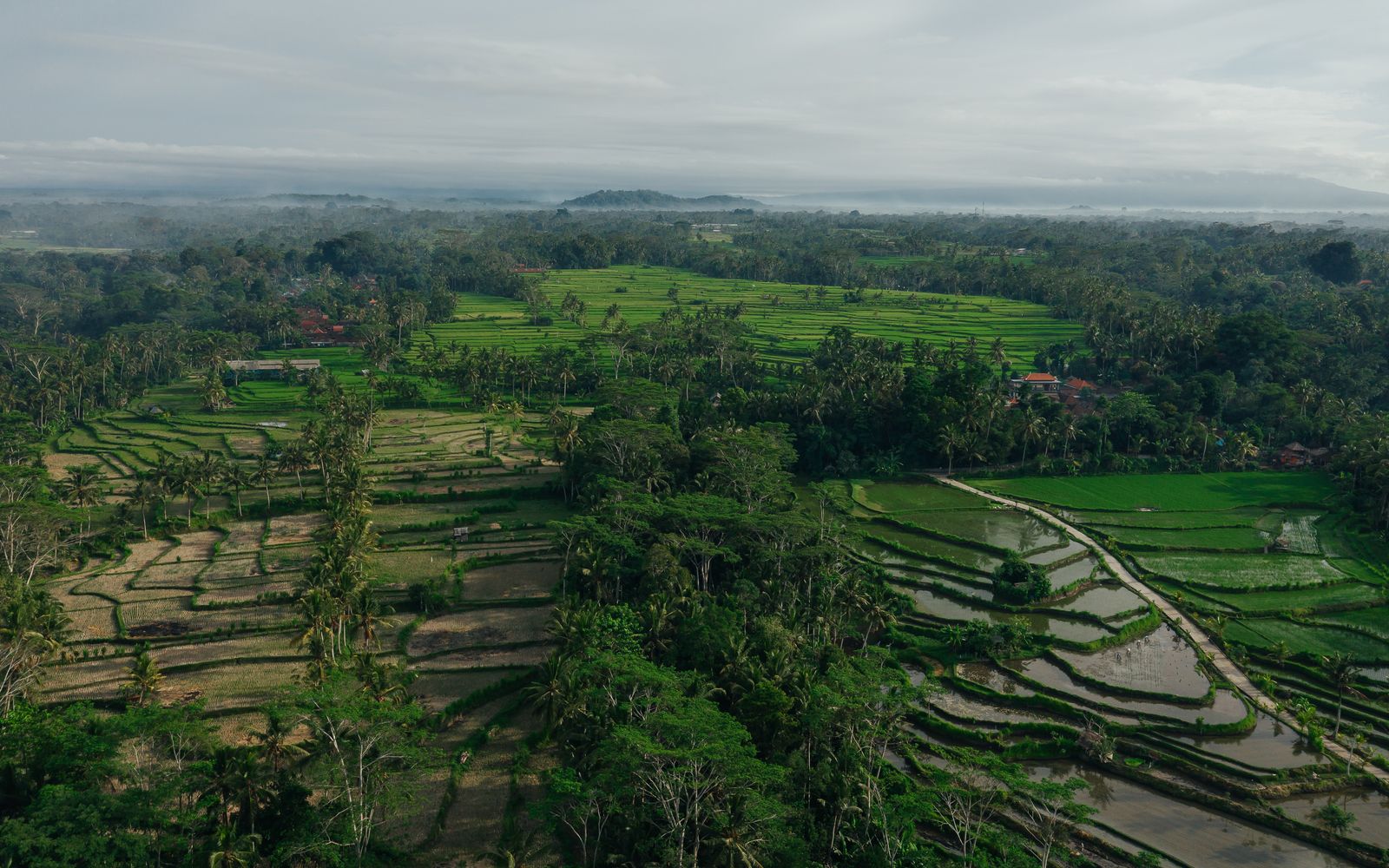
If what you want is rural character rather than farmland specifically, the answer is usually a correctly zoned parcel that borders it. In practice that means looking one field back from the green edge in places like Pererenan, Cemagi, Nyanyi or Tegalalang rather than at the protected land itself. Yellow-zone land adjoining green keeps the outlook and the quiet without the constraint, because the protected land next door is what keeps the view open.
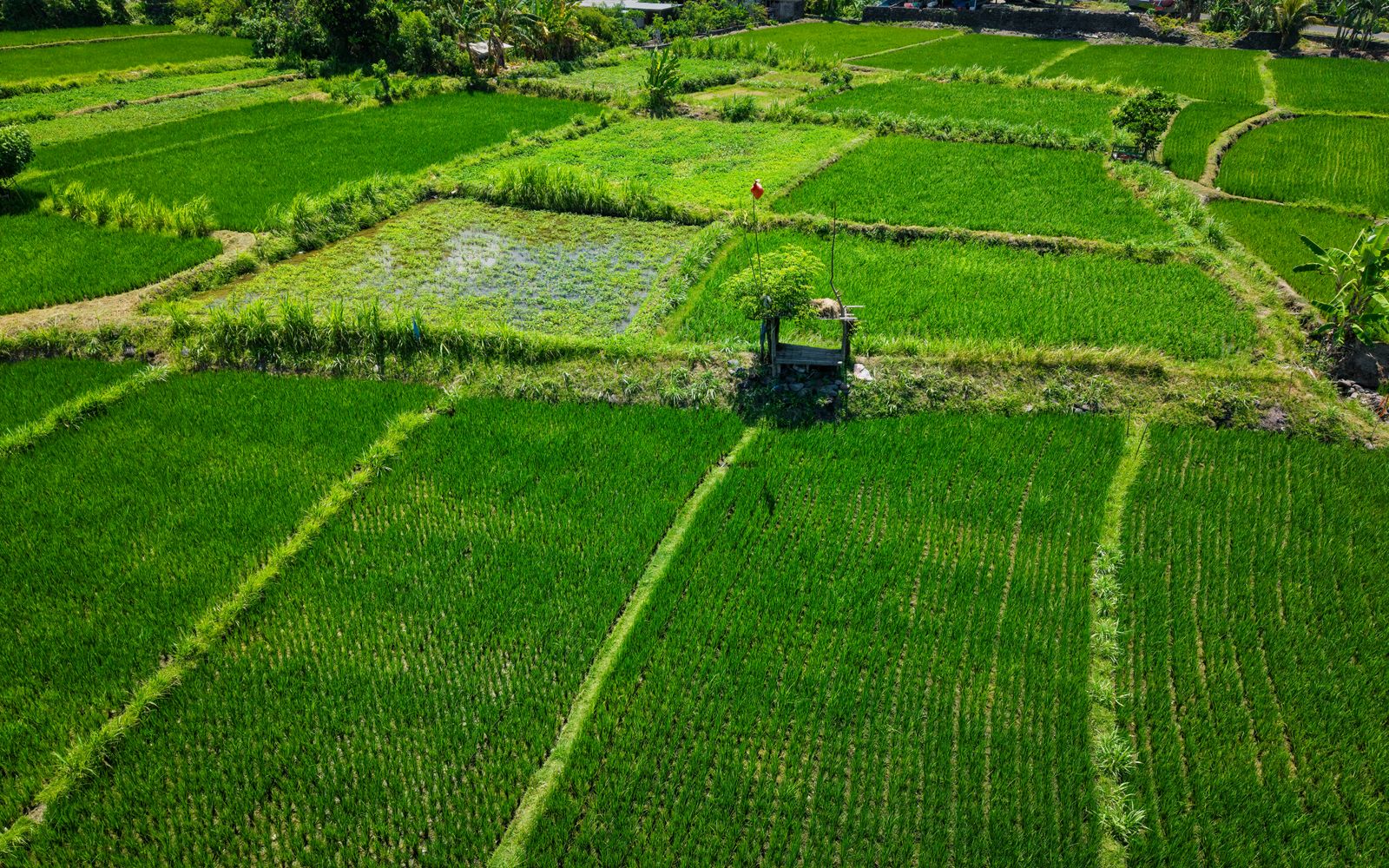
Agricultural land can also be worth holding for agricultural use, which is a different investment with a different horizon. It is not a residential purchase wearing a disguise, and it should not be priced as one.
Verification, before you offer
- Ask the notary for the RTRW extract covering the parcel, not a summary of it.
- Cross-check the classification against BPN’s own map, using the parcel identification number on the certificate rather than the address. On a freehold parcel that certificate is an SHM, Hak Milik, which a foreign buyer cannot hold directly.
- Confirm any existing structure holds a valid IMB or PBG, and that it matches what is standing.
- Confirm access is a legal right of way rather than a neighbour’s goodwill, and that it survives the sale.
- Make the offer conditional on all four passing, in writing.
Verbal assurance about zoning is worth nothing, and it is the thing sellers offer most readily. The due diligence sequence sets the order out in full.
Common questions
Can green zone land be rezoned? It is possible in principle and rare in practice. It needs approval above regency level, takes years, and has no guaranteed outcome. Do not buy on the expectation of it, and be careful of a price that assumes it.
Does a PT PMA help? No. The company route changes who may hold a title, not what the land may be used for.
Is any of this visible from the listing? Not reliably. Zoning is the check that has to be done on the parcel, which is why we confirm it per property rather than publishing it as a general claim.
Our current parcels are on the land and development sites page, with size, tenure and price basis stated on each, and we confirm zoning on enquiry for any one of them.
This is general information, not legal or tax advice. Take professional advice on your own situation.
Reading is the easy half.
Tell us your brief and a broker will come back with what actually fits, usually the same day.