
Uluwatu vs Pererenan ROI 2026: Key Investor Comparisons

Investors weighing Uluwatu vs Pererenan ROI in 2026 must consider how infrastructure maturity and land pricing affect net yields. These neighbouring yet distinct areas present different risk-reward profiles that require careful financial modelling.
Land cost and development factors
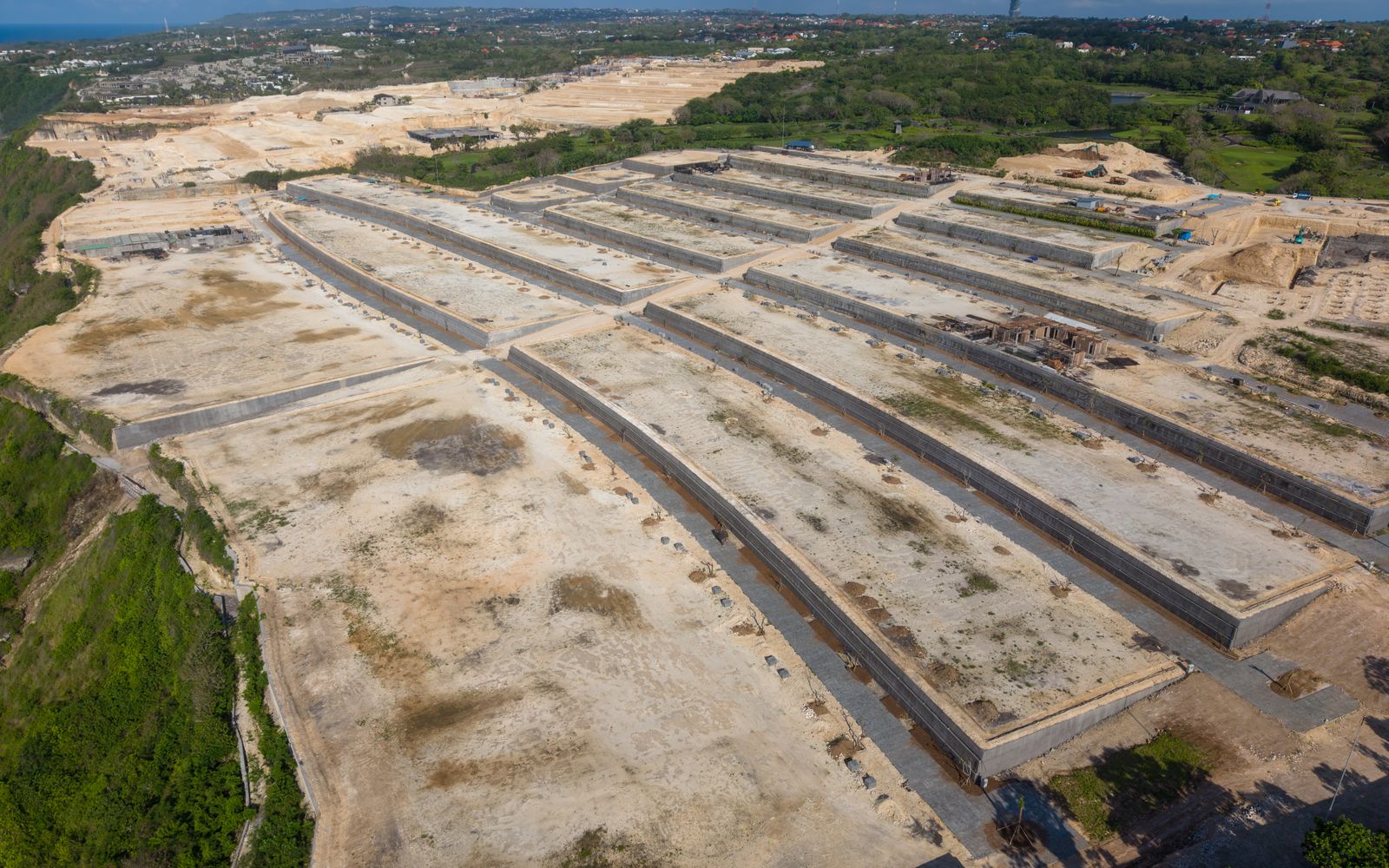
Uluwatu typically offers lower entry prices, but buyers should account for potential infrastructure costs including private water supply and generator requirements. Pererenan’s established utilities reduce these variables but come with higher land valuations. Review our guide to Bali land pricing for methodology.
Net yield projections
Gross rental yields alone don’t tell the full story. Uluwatu’s lower occupancy rates (though with higher ADRs) may balance against Pererenan’s steadier demand. Investors should model scenarios using different occupancy levels and account for management fees, which typically range between 15-25% of revenue.
Infrastructure impact on ROI
Road access, electricity reliability and water availability directly affect operational costs. Uluwatu properties often require backup systems that add 5-15% to running costs compared to Pererenan’s grid-connected options. Consider these when reviewing our due diligence checklist.
Demand drivers in 2026
Pererenan benefits from proximity to Canggu’s established scene, while Uluwatu attracts visitors seeking more secluded stays. This creates different seasonal patterns and client demographics that affect annual occupancy. Buyers should examine current tourism data and planned developments in both areas.
This is general information, not legal or tax advice. Take professional advice on your own situation. For specific property options in both locations, browse our current listings.
Reading is the easy half.
Tell us your brief and a broker will come back with what actually fits, usually the same day.